Boxing Rules Explained: Legal Targets, Fouls, Knockdowns and the Count — The Complete Guide
The rulebook, explained — legal targets, fouls, the count, the referee
What you can hit, what you can't, what happens when a fighter goes down, and who decides. The rules of professional boxing explained plainly — from the unified rules the commissions actually use.
The BOXING OS Desk · Sep 2, 2026 · 6 MIN READ
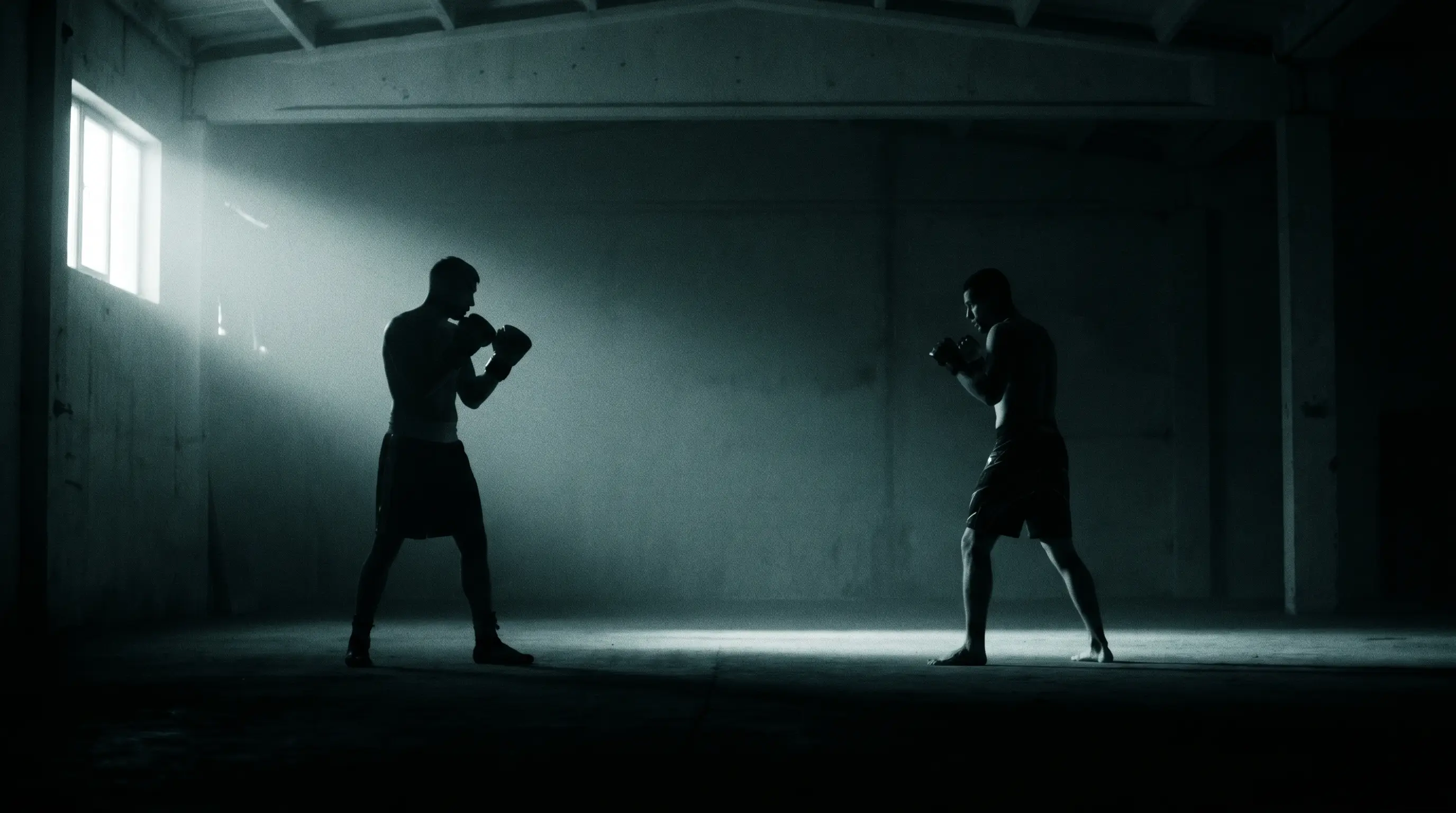
- ✓Legal target: the front and sides of the head and body, above the belt line — struck with the knuckle part of the glove.
- ✓Fouls: low blows (up to five minutes' recovery), rabbit punches to the back of the head or neck, holding, headbutts, hitting on the break or after the bell.
- ✓Knockdown: any part of the body except the feet touches the canvas from a legal blow — and the referee counts a mandatory eight regardless.
- ✓The referee runs the fight: point deductions for fouls, stopping the action, and the authority to end a bout to protect a fighter.
- ✓Rounds: three minutes with a one-minute rest; championship fights go twelve rounds.
Professional boxing is fought under the unified rules used by athletic commissions. Fighters may punch with the closed, knuckle part of the glove to the front and sides of the head and body, above the belt line at the top of the hips. Fouls include low blows (the fouled fighter may take up to five minutes to recover), rabbit punches to the back of the head or neck, holding, headbutts and hitting on the break or after the bell; the referee can deduct points or disqualify. A knockdown is when a legal blow puts any part of a fighter other than the feet on the canvas; the referee gives a mandatory eight count even if the fighter rises immediately. Championship fights are twelve three-minute rounds.
Everyone thinks they know the rules of boxing until a fight ends on a foul, a knockdown gets waved off, or a referee's count decides a title. Here is what the rulebook actually says — the unified rules the athletic commissions use — in plain language.
What you can hit — and what you can't The legal target is the front and sides of the head and body, above the belt line (the top of the hips), struck with the knuckle part of a closed glove. Everything else is a foul: the back of the head and neck (the rabbit punch), the kidneys, and anything below the belt. That single rule explains most of what a referee does all night.
The fouls The ones that matter most, and what happens: - Low blows. The fouled fighter is entitled to up to five minutes of recovery time. The referee may warn or deduct a point; a deliberate, disabling low blow can end a fight by disqualification. - Rabbit punches — to the back of the head or neck. Dangerous and illegal; deductions come fast. - Holding. Clinching to smother an opponent is why referees break fighters apart constantly — there's a reason fighters do it anyway. - Headbutts, elbows, forearms, the open glove, hitting on the break or after the bell, hitting a downed opponent. All fouls; all at the referee's discretion to warn, deduct, or disqualify.
Knockdowns and the count A fighter is knocked down when any part of the body other than the feet touches the canvas as a result of a legal blow, or when the ropes are the only thing holding them up. A slip or a push is not a knockdown, and the referee will say so.
After a knockdown, the referee administers a mandatory eight count — counting to at least eight even if the fighter bounces straight back up. It isn't a formality: those seconds are the referee's chance to look into the fighter's eyes and decide whether they can continue. Ten seconds without rising is a knockout. A knockdown also changes the scorecards — it typically turns a round into a 10-8, which is how scoring turns a fight. Anthony Joshua's night in Jeddah is the live example: dropped twice in the first round, he survived the counts and stopped Prenga in the second.
The referee The third person in the ring has more power than most fans realise: to break clinches, to deduct points for fouls, to stop the action for a foul or a cut, to administer counts — and, above everything, to end the fight when a fighter can no longer protect themselves. Judges score; the referee protects.
Rounds Professional rounds are three minutes with a one-minute rest; championship fights are scheduled for twelve. Women's title fights have traditionally used two-minute rounds. The why and the history are in how long are boxing rounds.
What comes next The rules decide what's legal. Three other things decide who wins: how a fight can end, how the judges score it, and — before any of it — whether both fighters made weight.
The rules aren't there to make boxing polite. They're there to make sure the fight is decided by the fighting.
Sources: the Association of Boxing Commissions' unified rules and commission regulatory guidelines.
FAQ
Where are you allowed to punch in boxing?+
The front and sides of the head and body, above the belt line (the top of the hips), using the knuckle part of a closed glove. The back of the head and neck, the kidneys and anything below the belt are off limits.
What are the main fouls in boxing?+
Low blows, rabbit punches (to the back of the head or neck), holding, headbutts, hitting on the break or after the bell, hitting a downed opponent, and using the elbow, forearm or open glove. The referee can warn, deduct points or disqualify.
What is a mandatory eight count?+
After a knockdown, the referee counts to at least eight before letting the fight resume — even if the fighter gets straight back up. It gives the referee time to judge whether the fighter can continue.
What counts as a knockdown in boxing?+
A fighter is knocked down when any part of the body other than the feet touches the canvas as a result of a legal blow, or when they're held up by the ropes and would otherwise have fallen. Slips and pushes are not knockdowns.
How long is a boxing round?+
Three minutes for professional men's bouts, with one minute of rest between rounds; women's title fights have traditionally used two-minute rounds. Championship fights are scheduled for twelve rounds.
What happens after a low blow?+
The fouled fighter may take up to five minutes to recover before the fight resumes. The referee can warn the offender or deduct a point, and a deliberate, disabling low blow can lead to disqualification.
Make it personal to your fight.
Run the free Fighter Check — get your archetype, your Performance System Map and a plan built on what you just read.
Get my System Map →