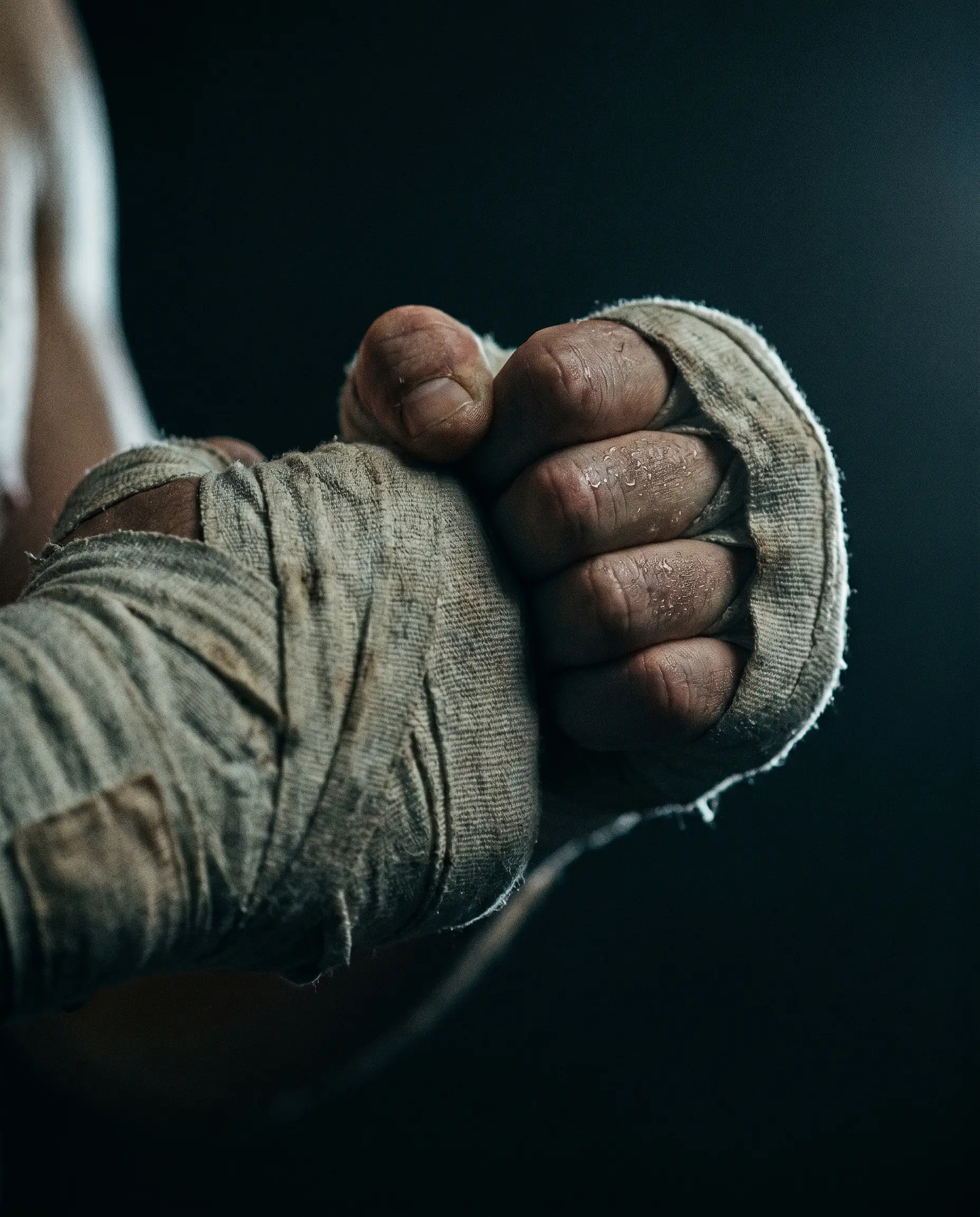
The Clinch: Boxing's Most Hated, Most Useful Position
Fans boo it. Referees break it. Fighters who understand it steal rounds inside it. What's actually happening in there.
The BOXING OS Desk · Jun 26, 2026 · 4 MIN READ
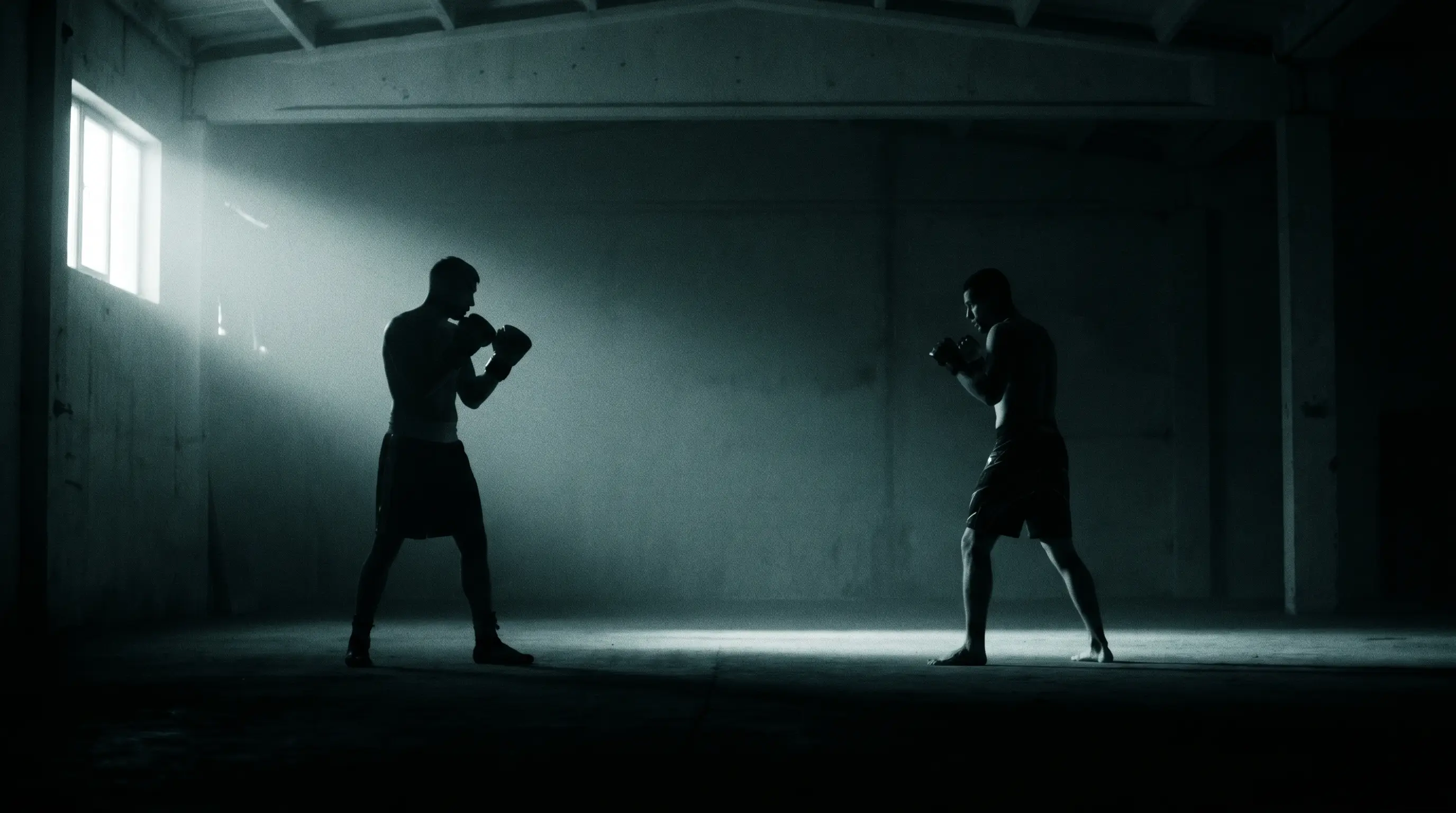
- ✓The clinch is a tool with five jobs: survive, smother, rest, frustrate, and drain.
- ✓A hurt fighter who can't clinch is a finished fighter — it's the sport's emergency brake.
- ✓Leaning weight in the clinch makes opponents carry you — rounds of it wilt legs.
- ✓Referees tolerate working clinches (one hand free, punching) and break lazy ones.
- ✓Escaping the clinch is equally craft: frame, turn, exit at an angle — never wrestle straight back.
Boxers clinch — tying up an opponent's arms in close — for concrete reasons: to survive after being hurt (buying recovery seconds), to smother an inside fighter's leverage before punches start, to rest arms and lungs mid-round, to frustrate rhythm, and to physically drain opponents by making them carry weight. Referees break clinches because holding is technically a foul, but skilled fighters clinch 'legally' by working one free hand. Mastering the tie-up — and escaping it — is a core professional skill fans rarely credit.
No moment in boxing gets booed faster. Two men mid-violence suddenly embracing like exhausted dance partners while the referee wedges between them. The crowd sees a pause. The corner sees a tool doing one of its five jobs.
The five jobs Survival. The most important clinch in boxing is thrown by a hurt man. Legs gone, vision swimming — the tie-up buys the ten seconds a brain needs to reboot. Every trainer teaches it as seriously as the jab.
Smothering. Against a body-punching inside fighter, the clinch closes the workspace — you can't dig hooks without the six inches the tie-up just removed.
The paid vacation. Ten seconds of clinch is ten seconds of rest, mid-round, at a price of nothing. Veterans invoice for it several times a night.
Rhythm sabotage. Momentum is a fighter's fuel; the clinch is water in the tank. Just as combinations start flowing — tie, break, reset to silence.
The lean. Done well, the clinch makes the other man carry you. Twenty pounds of lean, forty times a night, is a hidden body attack judges never see and legs always feel.
The exit craft Escaping matters as much: frame across the chest, angle step, turn out sideways — never straight back, where the break-punch lives.
The crowd boos the pause. The professionals are still fighting inside it.
The inside-game sessions train both halves — the tie-up and the exit.
FAQ
Why do boxers hug each other?+
It's not affection — the clinch stops the fight's dangerous math for a moment. Fighters use it to recover when hurt, deny an opponent's inside leverage, rest, break rhythm, and lean weight on the other man to drain his legs. It's tactical, not accidental.
Is clinching illegal in boxing?+
Holding is technically a foul, and referees break sustained clinches and can deduct points for persistent holding. In practice, brief tie-ups and clinches where a fighter keeps working with one hand are tolerated as part of the professional game.
How do you get out of a clinch?+
Don't tug backward — that's wrestling their strength. Create a frame (forearm across their chest or biceps), take a small angle step, and turn out to the side, hands up as you exit. Skilled fighters exit punching.
Make it personal to your fight.
Run the free Fighter Check — get your archetype, your Performance System Map and a plan built on what you just read.
Get my System Map →