How a Boxing Fight Ends: KO vs TKO, Unanimous vs Split vs Majority Decision, Draws, Technical Decisions and No Contests
Every result type — with real scorecards from the desk
There are more ways to win a boxing match than a knockout — and more ways for one to end with nobody winning. Every result type explained, with real scorecards from this summer's fights.
The BOXING OS Desk · Sep 2, 2026 · 6 MIN READ
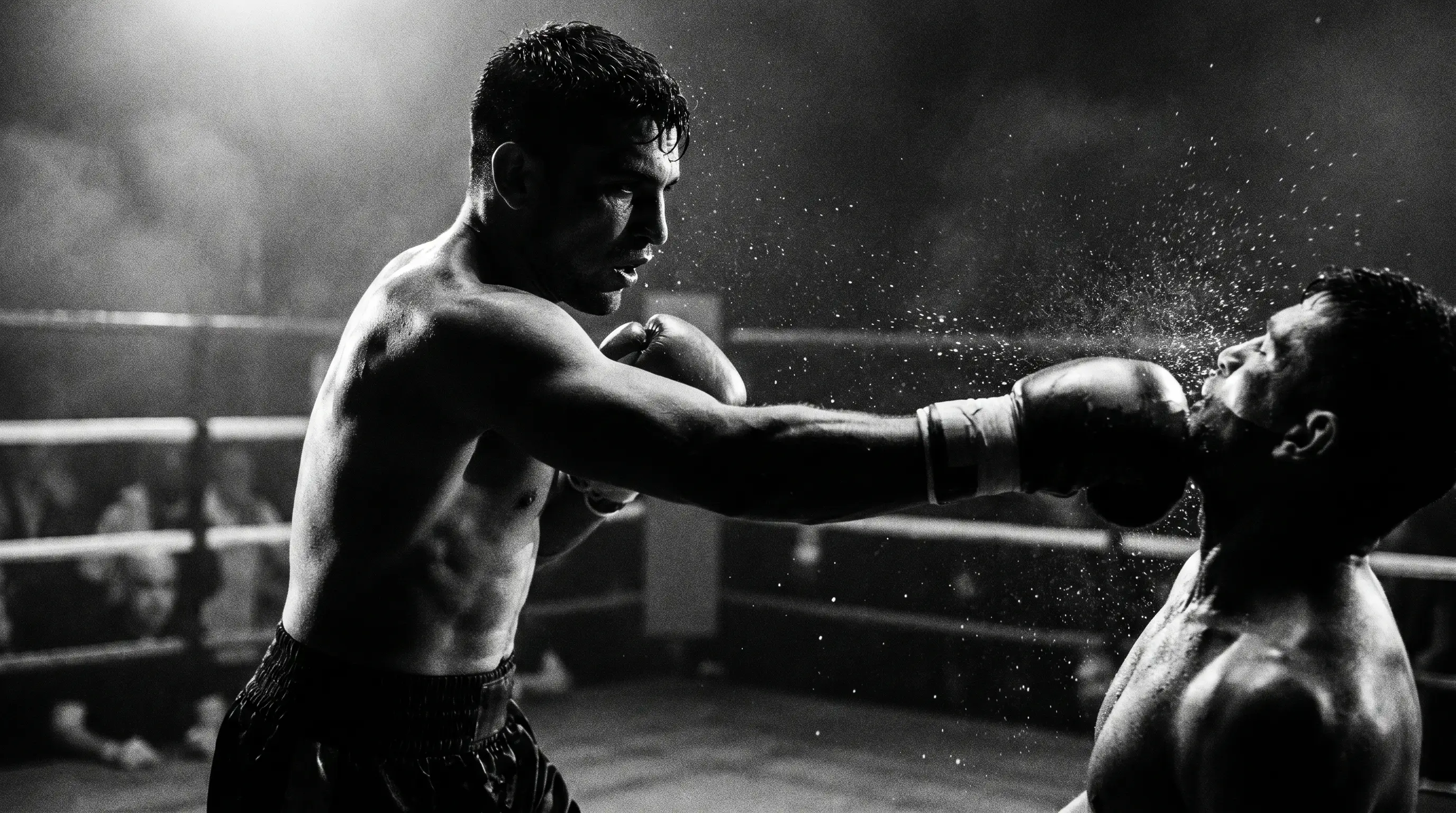
- ✓Knockout: down and unable to rise by the count of ten. TKO: the referee, doctor or corner stops it, or the fighter can't continue.
- ✓Unanimous decision: all three judges agree. Split: two for the winner, one for the loser. Majority: two for the winner, one scores a draw.
- ✓Draws come in the same flavours — a majority draw (two judges even) and a split draw (one each, one even).
- ✓Technical decision: an accidental foul ends the fight and, after enough rounds, the scorecards decide it.
- ✓Disqualification punishes a fighter's fouls; a no contest means circumstances, not the fighters, ended the bout.
A boxing match can end by knockout (a fighter is down and can't rise by the referee's count of ten), technical knockout (the referee, ringside doctor or corner stops the fight, or a fighter can't continue), or by decision after the scheduled rounds. A unanimous decision means all three judges scored it for the same fighter; a split decision means two judges favoured the winner and one the loser; a majority decision means two judges favoured the winner and the third scored a draw. Fights can also end in a draw, a disqualification, a technical decision (when an accidental foul stops the fight and the scorecards decide), or a no contest.
Fans learn the word "knockout" first and assume everything else is a footnote. In reality most world title fights end on the scorecards, and the difference between unanimous, split and majority is the difference between a clear win and an argument. Here's every way a fight ends — with real examples from this summer's coverage.
Stoppages Knockout (KO). A fighter is knocked down by a legal blow and can't rise by the referee's count of ten. Joshua–Prenga is the textbook version: Joshua ended it in the second round after surviving two knockdowns himself.
Technical knockout (TKO). The fight is stopped without a ten count: the referee judges a fighter can no longer defend themselves, the ringside doctor halts it for an injury, the corner throws in the towel, or the fighter fails to answer the bell. Diego Pacheco's eleventh-round stoppage of Immanuwel Aleem is the classic accumulated-punishment TKO.
Decisions When the scheduled rounds are complete, three judges' cards decide it — using the 10-point must system. - Unanimous decision. All three judges score it for the same fighter. Dina Thorslund's undisputed win was the purest kind: 100-90 on every card, a shutout. - Split decision. Two judges for the winner, one for the loser — the closest kind of win, and the kind that starts arguments. - Majority decision. Two judges for the winner, the third scoring a draw. Teofimo Lopez became a three-division champion this way: 115-113 and 116-112 for Lopez, 114-114 on the third card.
A unanimous decision can still be disputed, of course — Chantelle Cameron's unification over Mikaela Mayer was 97-93, 97-93 and 96-94, unanimous on paper and argued about afterwards. Why judges see it differently is its own subject.
Draws When the cards don't produce a winner: a majority draw (two judges score it even) or a split draw (one judge for each fighter, one even). Rare in title fights, unforgettable when they happen.
The unusual endings - Technical decision. An accidental foul — usually a clash of heads — leaves a fighter unable to continue. Under the unified rules, if enough rounds have been completed the fight goes to the scorecards and the leader wins by technical decision; if it's stopped too early, it's a technical draw or no contest. - Disqualification (DQ). A fighter is thrown out for fouls — deliberate ones, or accumulated ones after deductions. The rules of what's legal decide it. - No contest. Circumstances, not the fighters, end the bout: an early accidental foul, or an event outside anyone's control. No winner, no loss on either record.
Why the result type matters A record reads "28-2" but the story is in how. A fighter with knockouts sells; a fighter with split decisions has questions to answer; a fighter who wins shutouts on the cards, like Thorslund, has removed the argument entirely. The result type is the sport's fine print — and the fine print is where the careers are written.
A knockout ends the argument. A decision starts one. A shutout is the only way to do both.
Related: how judges score a round, the rules of the ring, and what the belts on the line actually mean.
FAQ
What is the difference between a KO and a TKO?+
A knockout (KO) is when a fighter is knocked down and cannot rise by the referee's count of ten. A technical knockout (TKO) is a stoppage: the referee decides a fighter can no longer defend themselves, the ringside doctor stops it, the corner throws in the towel, or the fighter fails to come out for the next round.
What is a split decision in boxing?+
A decision where two judges score the fight for the winner and the third judge scores it for the loser. It's the closest kind of win on the cards.
What is a majority decision in boxing?+
A decision where two judges score the fight for the winner and the third judge scores it a draw. Teofimo Lopez's welterweight title win over Rolando Romero was a majority decision: two judges had him winning (115-113, 116-112) and one had it even (114-114).
What is a technical decision?+
When an accidental foul — a clash of heads, for example — leaves a fighter unable to continue, the fight can go to the scorecards. Under the unified rules, if enough rounds have been completed the judges' cards decide the winner as a technical decision; if the stoppage comes too early, it's ruled a technical draw or no contest.
What is a no contest in boxing?+
A result where the bout is stopped for reasons outside the fighters' control — an accidental foul too early in the fight, or a problem with the ring or venue — and no winner is declared. It counts as neither a win nor a loss.
Can a boxing match end in a draw?+
Yes. A draw happens when the judges' cards don't produce a winner: a majority draw (two judges score it even) or a split draw (one judge for each fighter, one even).
Make it personal to your fight.
Run the free Fighter Check — get your archetype, your Performance System Map and a plan built on what you just read.
Get my System Map →