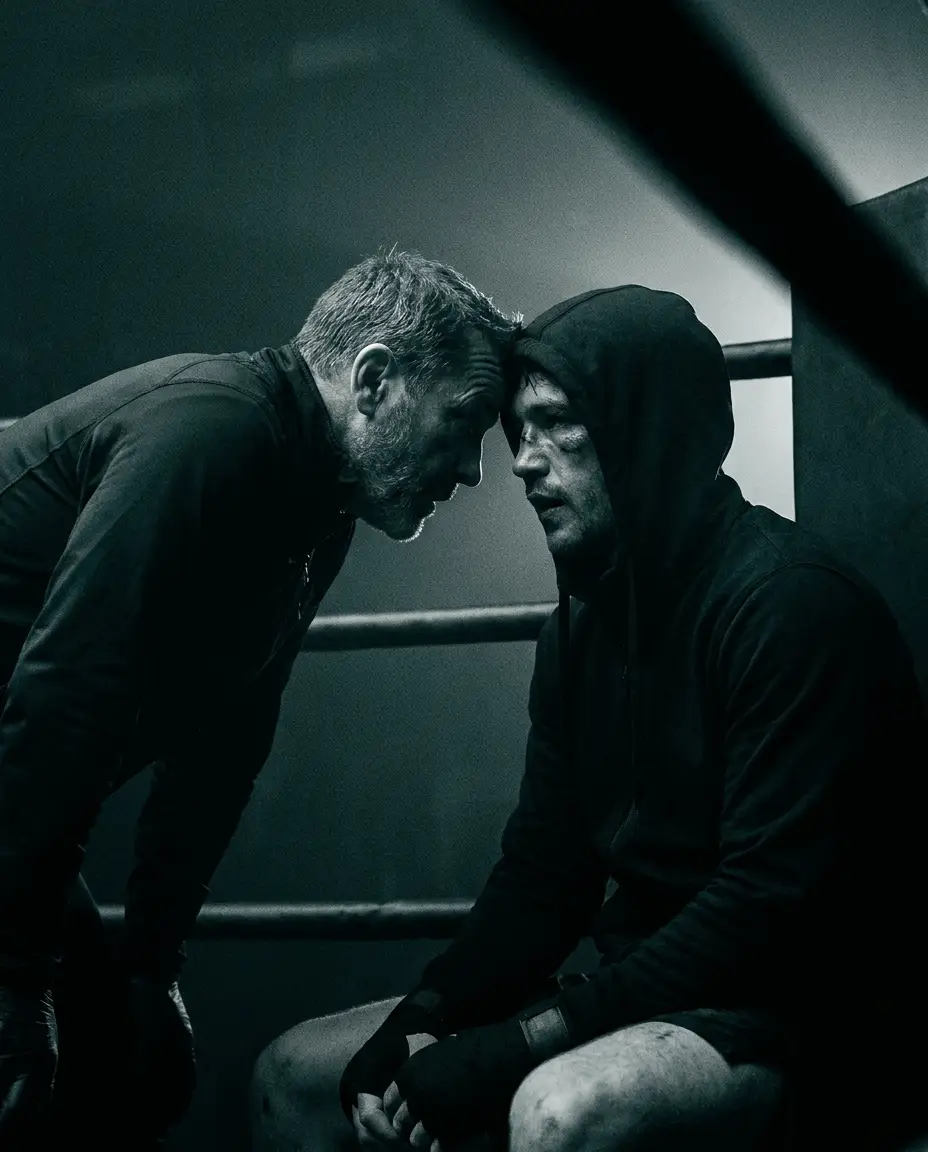
Inside the 6 Weeks That Break Fighters Before the Fight Even Starts
Fight camp isn't training. It's controlled demolition — and the men who walk out the other side are built different.
The fight is the easy part. The war is the camp — and most of it is fought inside the fighter's own head.
Marcus Reed · Jun 9, 2026 · 7 MIN READ

Fight camp is the 6–12 week block before a bout where a fighter pushes to the edge of breakdown: brutal conditioning, hard sparring, a weight cut, and fatigue that stacks day on day — then a taper to peak on the night. The hardest stretch is usually weeks 4–6, when the body is most fatigued and the fight still feels far away. Camps break fighters mentally before they break them physically. The ones who survive learn to manage load, recover ruthlessly, and stay calm in the dip.
Six weeks out, the gym smells like bleach and old leather and somebody's fear. The fighter knows the date. The date doesn't care how he feels.
The honeymoon is a lie Week one feels good. Fresh legs, sharp hands, the fantasy of the version of himself that shows up on fight night. Then the volume climbs, the food gets measured, and the body starts sending invoices.
By week four he's dragging. The sparring is real now — not technique, war. Bodies bouncing off the ropes, coaches barking, the quiet panic of a man learning his own limits in front of witnesses.
The dip nobody warns you about Here's the part nobody posts: somewhere in weeks four to six, every fighter hits a wall where he secretly wonders if he's washed. Legs heavy. Reactions a half-beat slow. The fight still feels like a rumor.
Camp breaks you mentally long before it breaks you physically.
That dip is the fatigue, not the truth. The ones who don't understand that spiral. The ones who do trust the system, hold the line, and wait for the taper to give it all back.
The taper is the magic trick The final two weeks, the smart fighter does less. Volume drops. Sharpness stays. The fatigue drains out of the body like water from a sponge — and suddenly the speed and power that were buried under tiredness float to the surface.
That's why fighters look reborn at the weigh-in. It was never gone. It was masked.
The takeaway Camp isn't about who trains hardest. It's about who manages the breakdown best — who eats the dip, protects the sleep, and arrives at the bell with something left. The fight is three minutes a round. The real opponent was the six weeks before it.
What this means for fighters
If you fall apart in camp, it's rarely fitness — it's load management. Track your fatigue, protect your sleep, and treat the mid-camp dip as expected, not as failure. The fighters who peak on the night are the ones who backed off at the right moment, not the ones who went hardest every day.
FAQ
How long is a fight camp?+
Usually 6–12 weeks. Eight is common; world-level fighters often run a full twelve.
Why do fighters look worse mid-camp?+
Fatigue peaks in the middle weeks before the taper. Performance is masked by accumulated tiredness — it surfaces once you back off near the fight.
What breaks fighters in camp — body or mind?+
The mind, almost always first. The grind, the cut and the isolation wear down resolve before the body actually fails.
Related fighters
Related systems
Make it personal to your fight.
Run the free Fighter Check — get your archetype, your Performance System Map and a plan built on what you just read.
Get my System Map →