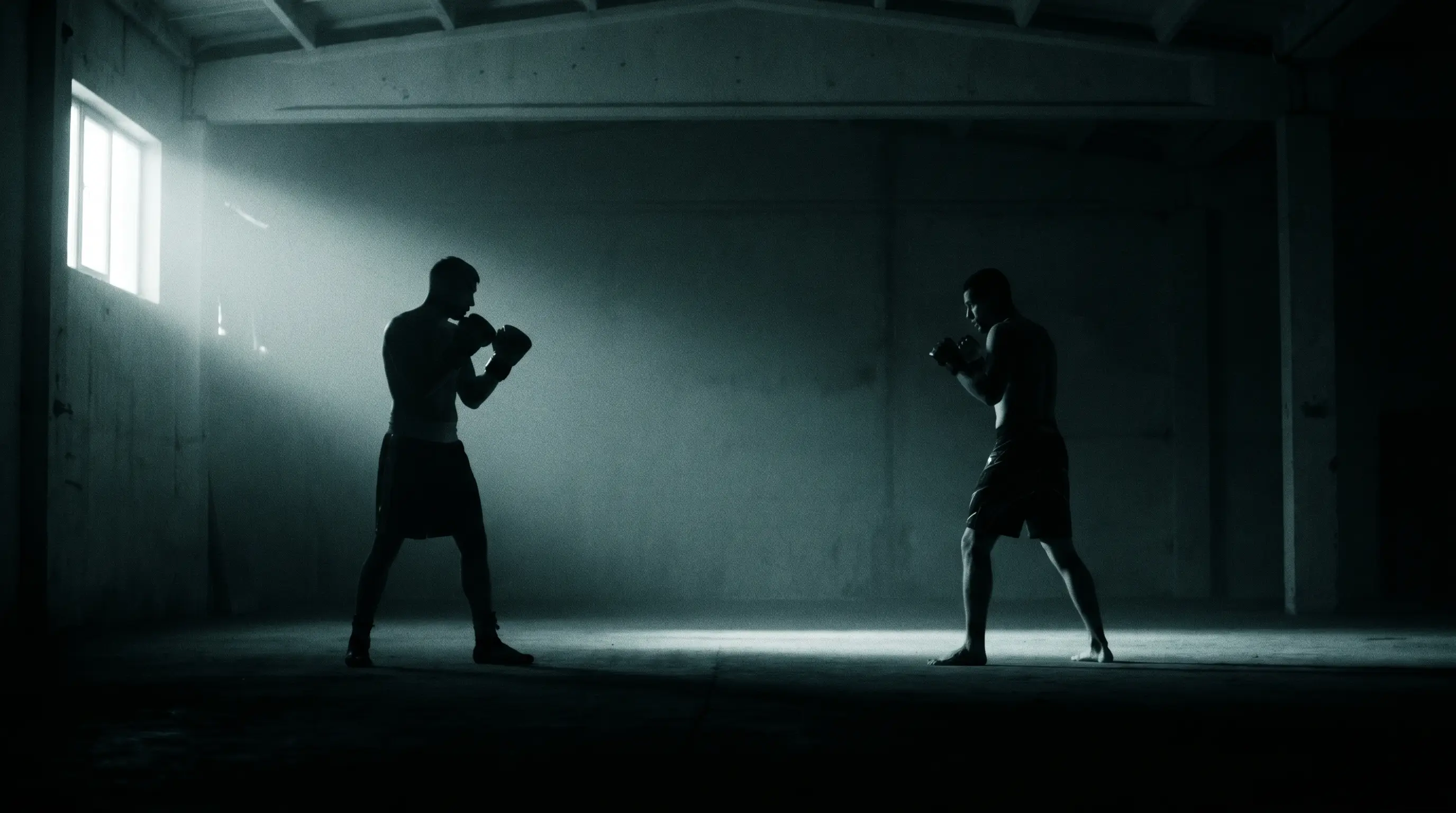
The Science of Tyson's Knockout Power
It was never just muscle. It was timing, mass, and a left hook thrown like a door slamming.
Tyson's power came from physics most heavyweights never learned to use: rotation, timing, and total commitment.
Dr. Elena Cross · Jun 2, 2026 · 4 MIN READ
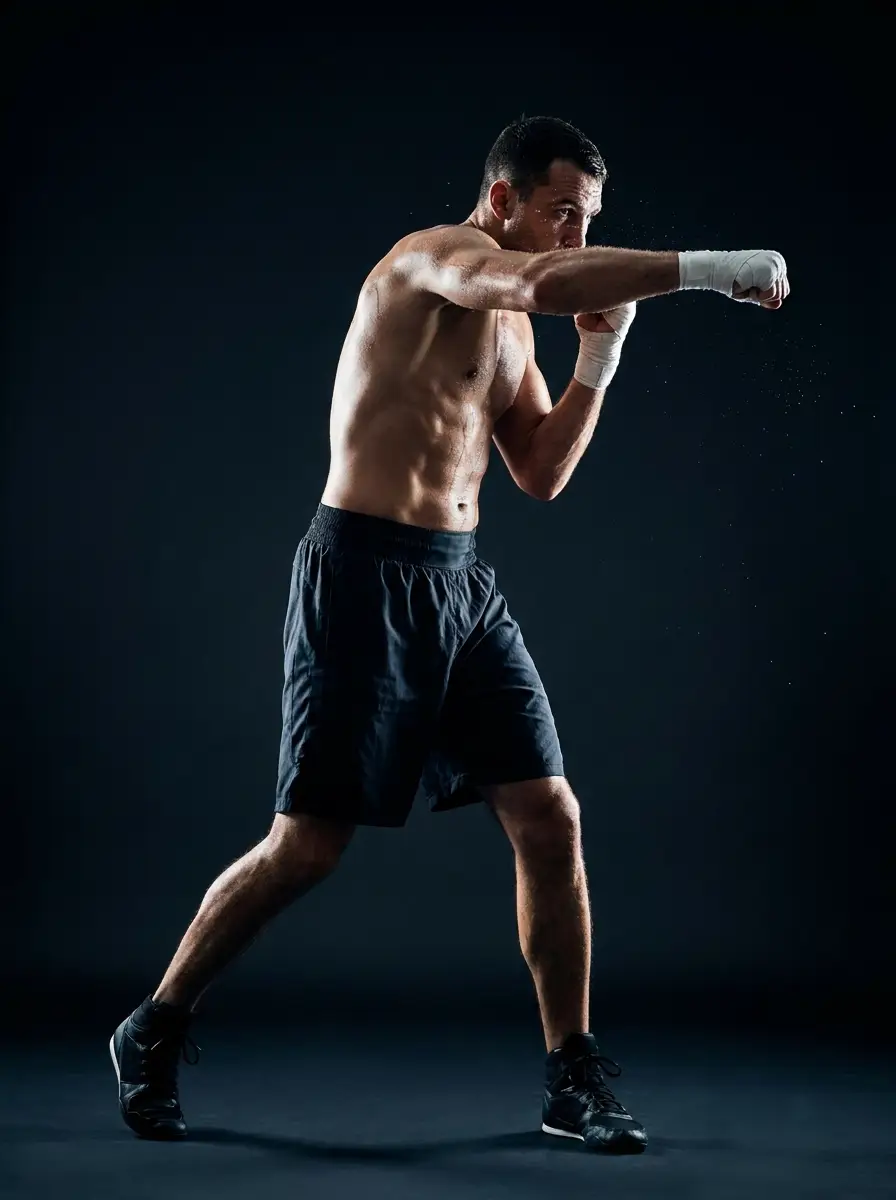
Tyson's knockout power came less from size than from mechanics: explosive hip and shoulder rotation, perfect timing as opponents stepped in, and full-body commitment that put his mass behind short, fast punches. Throwing from a low, loaded stance let him transfer ground force up through the legs into compact hooks and uppercuts — the hardest punches to see and the hardest to take.
Power in boxing isn't about who's strongest. It's about who delivers force fastest, at the right instant, with the whole body behind it. Tyson was a masterclass.
Force from the ground up From his low, sprung stance, Tyson drove force from the floor, through the legs, into a violent hip and shoulder turn. The punch was just the last link in a chain that started at his feet.
Timing is the multiplier The scariest shots landed as opponents came in. Catch a man stepping forward and you add his momentum to yours. Tyson's head movement set those moments up — slip, and counter into the man's own weight.
The short left hook is the most dangerous punch in boxing. Tyson threw it like a reflex.
Big punchers are made, not just born. Rotation, timing, commitment — that's a system any fighter can study, even if few will ever execute it like prime Mike.
Related fighters
Related systems
Make it personal to your fight.
Run the free Fighter Check — get your archetype, your Performance System Map and a plan built on what you just read.
Get my System Map →