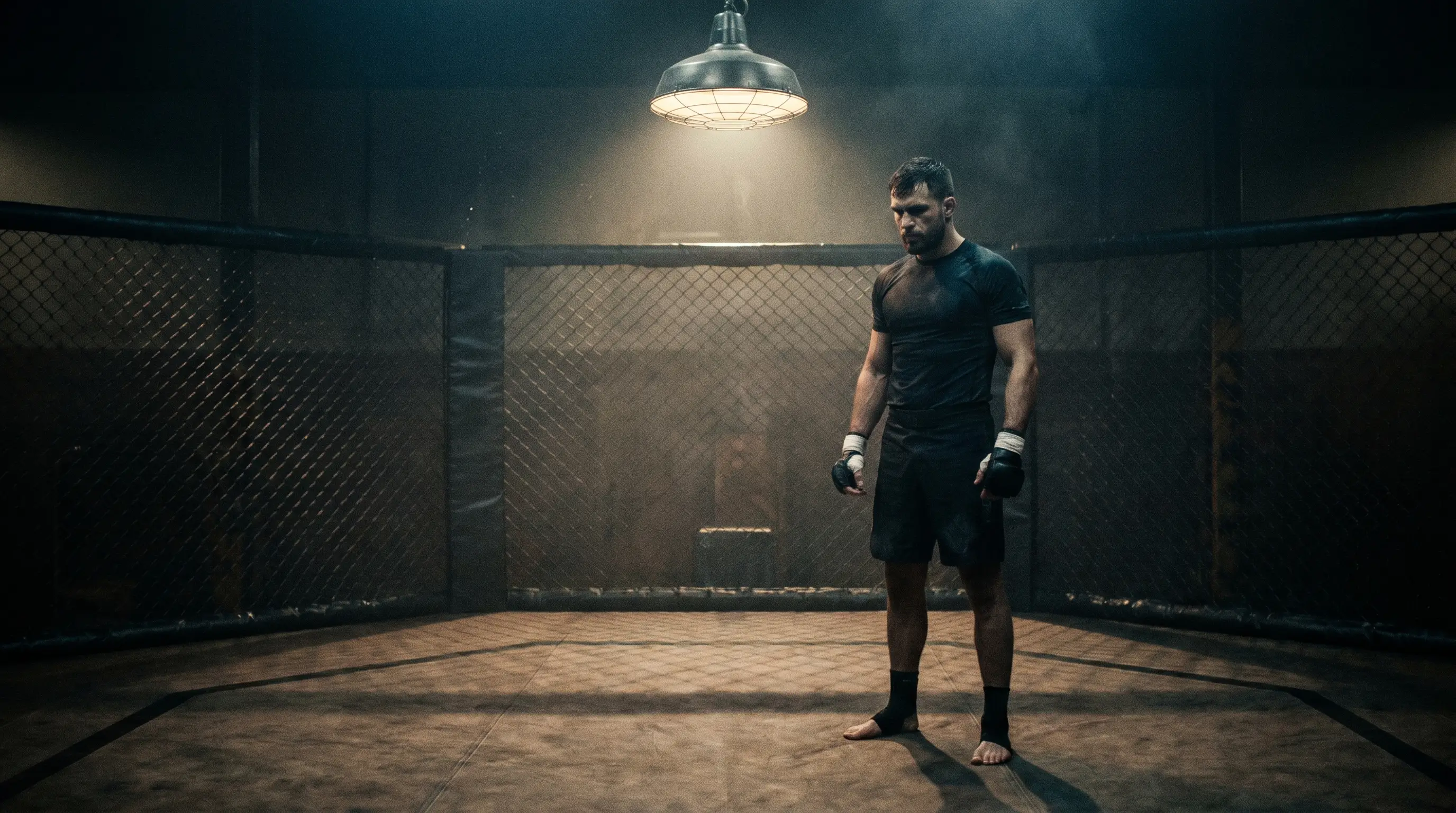
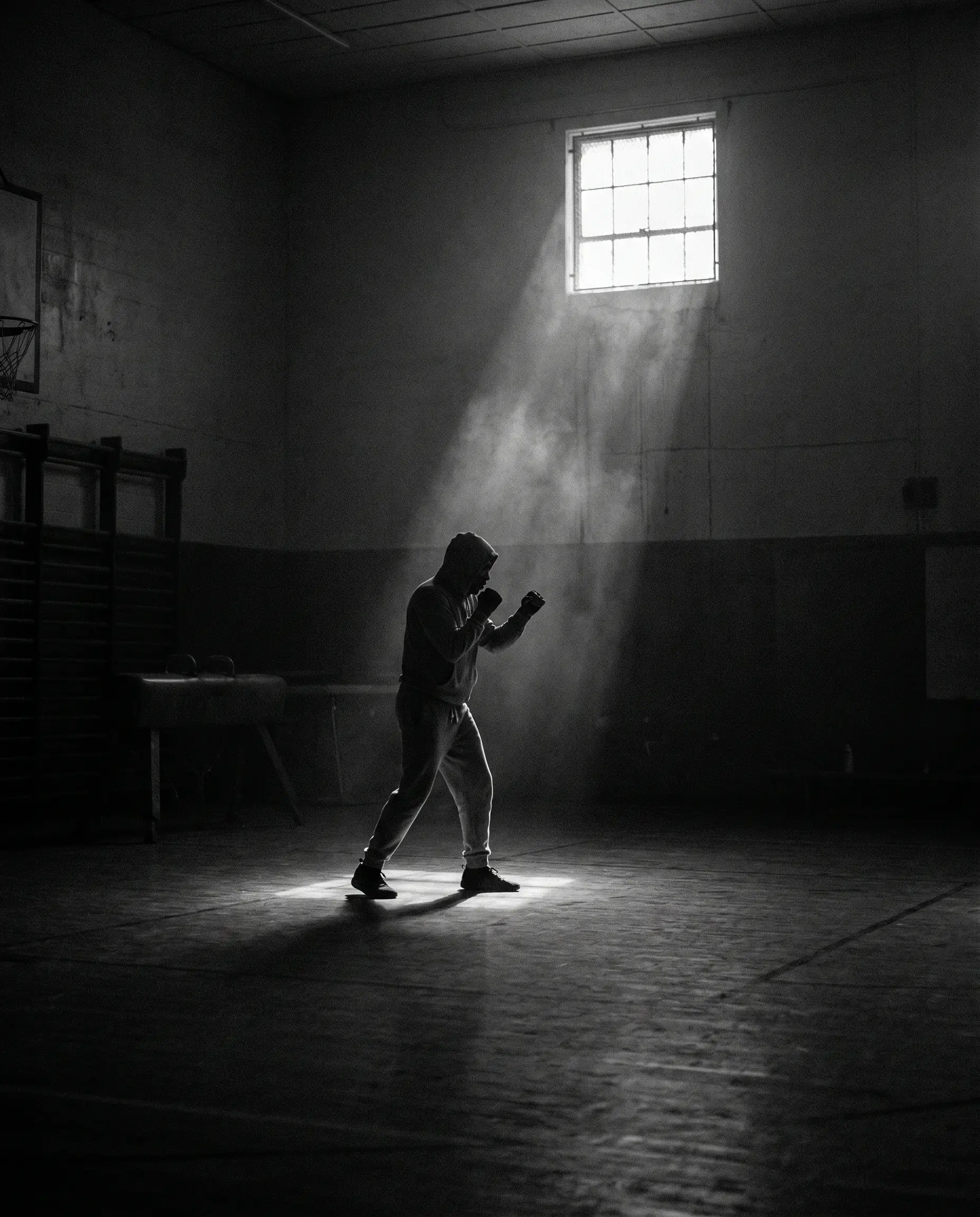
Head Movement: Drills That Make You Hard to Hit
Slipping, rolling, and the art of being gone when the punch arrives — without ever taking your eyes off the target.
The BOXING OS Desk · Jun 27, 2026 · 5 MIN READ

- ✓Move enough to miss, not enough to pose — small slips keep you in counter range.
- ✓Eyes never leave the target; if you're looking at the floor, you're defending blind.
- ✓Slip outside the jab, roll under the hook, pull from the cross — each punch has its answer.
- ✓Head movement after your own combination is where most knockouts are avoided.
- ✓Three rounds a week of no-hands sparring rebuilds reflexes faster than a year of pads.
Head movement means moving your head off the center line before and after punches — slipping (small lateral moves past a straight punch), rolling (dipping under hooks), and pulling (leaning just out of range). The rules: eyes stay on the opponent, movements stay small (a punch misses by an inch the same as by a foot), and the head moves with the legs, not the waist alone. Train with the slip rope, wall drills, and slip-only sparring rounds.
Getting hit less isn't magic and it isn't speed. It's a small library of movements drilled until they happen without permission.
The vocabulary The slip — knees and a subtle shoulder turn carry your head two inches off the line of a straight punch. Outside slips (away from their rear hand) are safest and load your counter.
The roll — against hooks, you bend the knees and trace a U under the arc, coming up on the other side with your hips loaded. This is where counter hooks are born.
The pull — against the cross, a straight lean just out of range, weight on the rear leg, snapping back with your own straight down the pipe.
The three rules 1. Small. An inch of miss is a mile. Big dramatic movement takes you out of counter range and burns your legs. 2. Eyes up. The moment you look at the canvas, you're defending by luck. 3. Legs, not neck. Head movement is knee movement. The neck alone is slow and gets you hit on the temple.
The drills - Slip rope: walk the line, slip each side of it, add punches between slips. - Wall drill: back near a wall so you can't run — slip and roll on rhythm. - No-hands rounds: sparring or shadow rounds where your hands stay home. Terrifying for a week. Transformative in a month.
The best defense keeps you close enough to make them pay for missing.
The defense blocks in the workout system run slip-and-counter rounds on the timer.
FAQ
What is slipping in boxing?+
A small lateral movement of the head — driven by the knees and a slight shoulder turn — that takes your chin off the line of a straight punch while keeping you in position to counter.
How do I train head movement at home?+
String a slip rope (any cord at shoulder height) and walk the line slipping side to side; do wall drills where a partner or imagination throws at a fixed rhythm; end shadowboxing rounds with defense-only 30-second bursts.
Why do I get hit after I punch?+
Because you stand still to admire the work. The rule is punch-then-move: every combination ends with a slip, a roll, or a step off the line. Build it into the combination itself so it's not a decision.
Related fighters
Related systems
Make it personal to your fight.
Run the free Fighter Check — get your archetype, your Performance System Map and a plan built on what you just read.
Get my System Map →