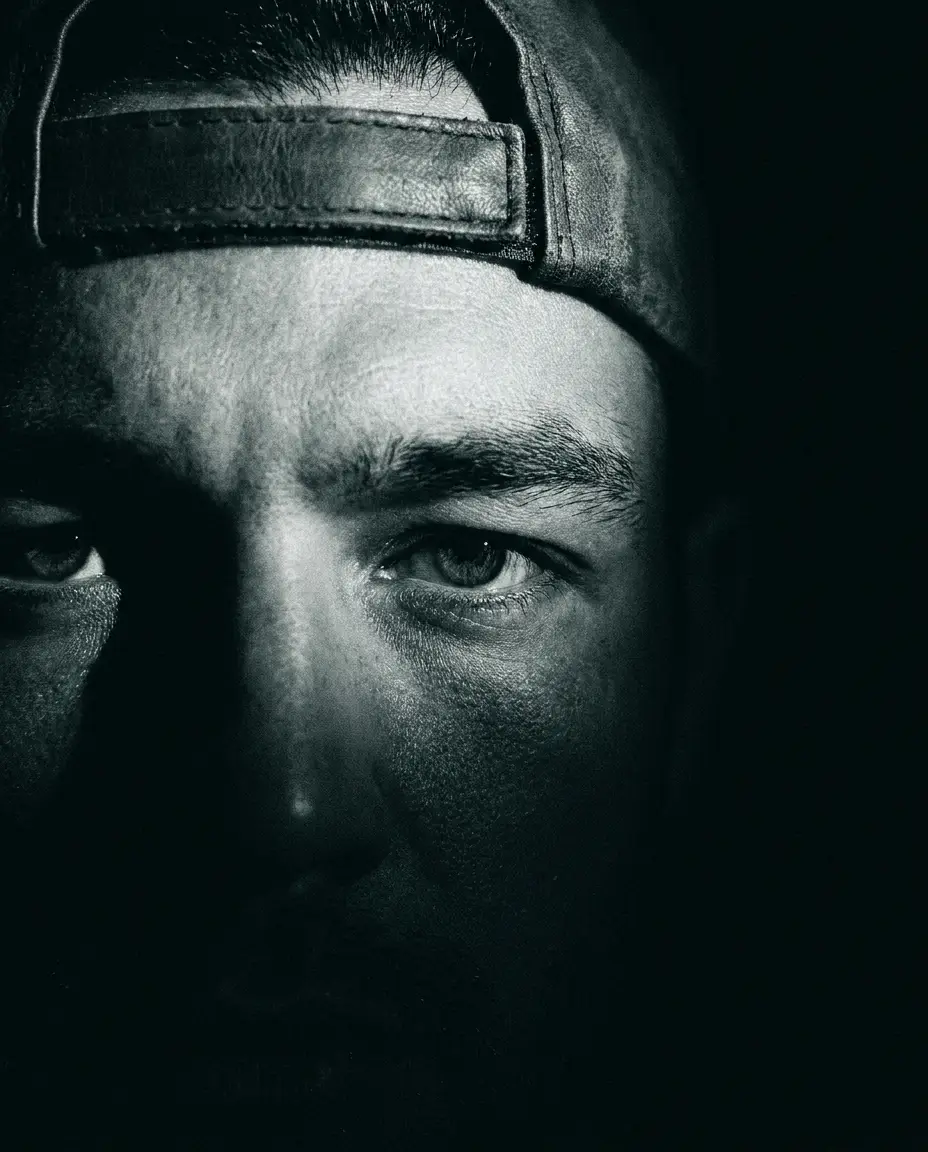
The Loneliness of the Fighter Nobody Talks About
The crowd screams your name for thirty-six minutes. The other 364 days, it's just you and the work.
Behind the bravado is an isolating life of discipline, sacrifice and quiet pressure few outsiders see.
Sofia Marin · May 6, 2026 · 4 MIN READ
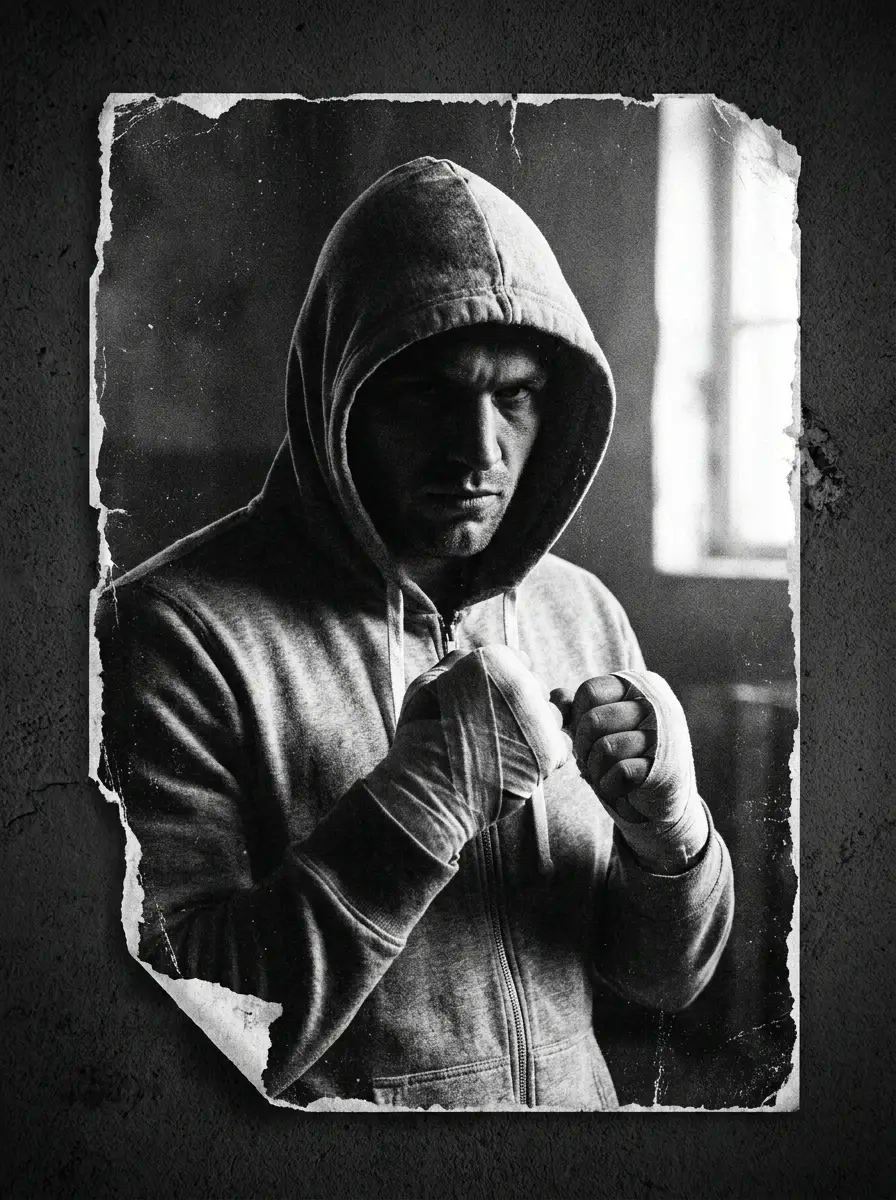
Fighting is far lonelier than it looks. Beyond the brief spotlight of fight night, fighters live a disciplined, isolating life: strict diets, early mornings, missed social events, constant pressure, and an identity that can feel entirely tied to results. This isolation contributes to mental health struggles common in combat sports. Building support, connection and an identity beyond fighting is essential for long-term wellbeing.
The lights, the walkout, the roar — that's thirty-six minutes a year, if you're lucky. The rest is silence and sacrifice.
The unseen life Early mornings nobody claps for. Food weighed while friends eat freely. Weddings missed, nights in, a body always tired, a future always uncertain. The discipline that makes a fighter great also isolates him.
And when your whole identity is "fighter," every doubt about the work becomes a doubt about you.
They cheer the fight. They don't see the 364 days that built it.
Why it matters Mental health struggles run quietly through combat sports for exactly this reason. The fighters who stay well build real support around them, talk honestly, and hold onto an identity that survives outside the ring. The loneliness is real — but it isn't the price of greatness. It's just a problem the smart ones learn to solve.
Related systems
Make it personal to your fight.
Run the free Fighter Check — get your archetype, your Performance System Map and a plan built on what you just read.
Get my System Map →