Concussions: What Every Fighter Needs to Understand
You can't out-tough a brain injury. The fighters who last are the ones who respect it.
Brain health is the one area where bravado is a liability. Knowing the basics can save a career — and more.
Dr. Elena Cross · May 8, 2026 · 5 MIN READ
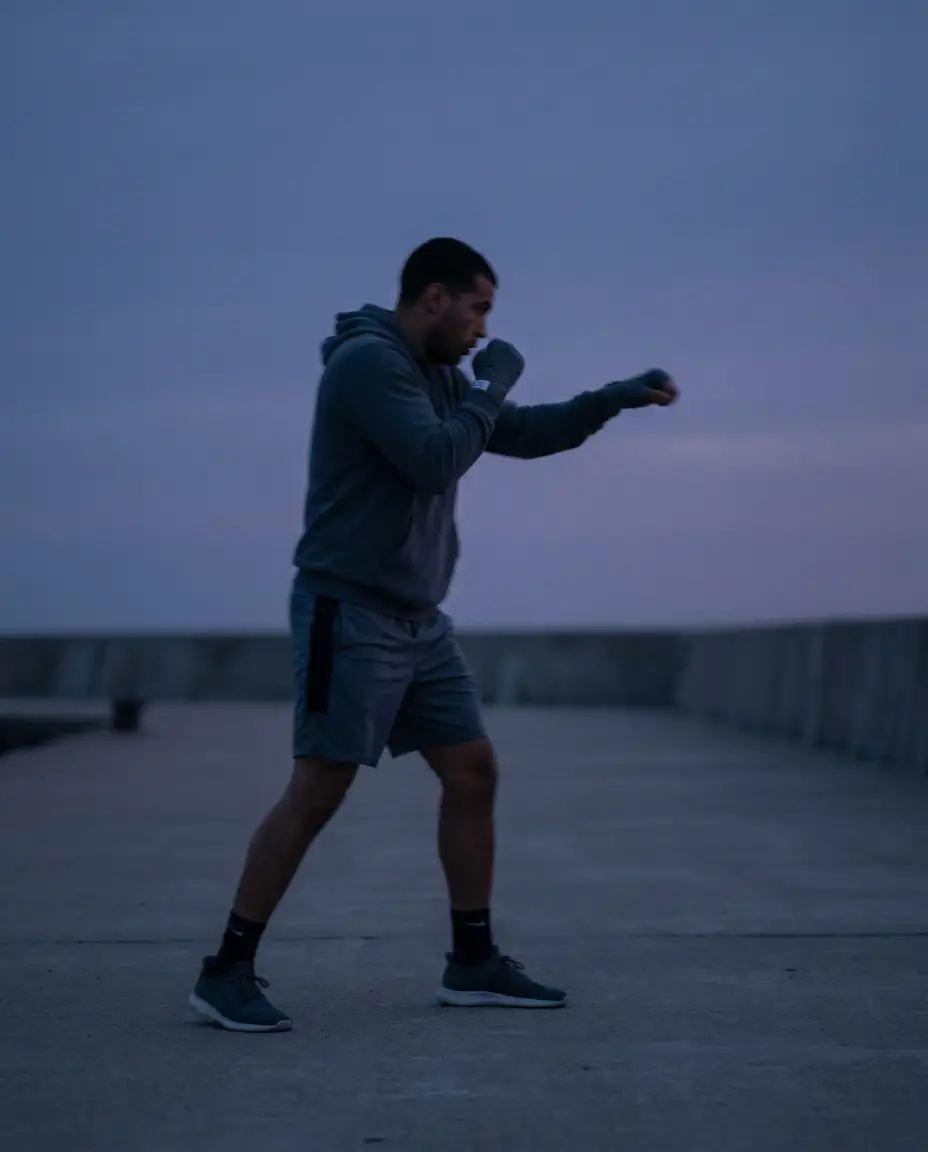
A concussion is a brain injury from impact or force transmitted to the head; symptoms include confusion, headache, dizziness, light sensitivity and memory issues, sometimes delayed. Fighters face both concussions and cumulative sub-concussive hits, which carry long-term risk. The essentials: don't hide symptoms, allow full recovery before returning, limit unnecessary hard sparring, and strengthen the neck to reduce force reaching the brain.
This is the one subject where toughness works against you. You cannot out-will a brain injury.
Know the signs Confusion, headache, dizziness, sensitivity to light, memory gaps — sometimes immediately, sometimes hours later. The instinct to hide it and "prove" you're fine is exactly the instinct that ends careers.
The cumulative danger It's not only the big concussions. The hundreds of smaller, sub-concussive shots add up over years. That's the quiet risk the sport is finally taking seriously.
Be brave in the ring. Be smart about your brain.
What protects you Report symptoms honestly. Recover fully before returning — no shortcuts. Cap unnecessary hard sparring. And build a strong neck, which measurably reduces the force reaching your brain. The toughest thing a fighter can do for his long-term self is admit when his head needs time.
Related systems
Make it personal to your fight.
Run the free Fighter Check — get your archetype, your Performance System Map and a plan built on what you just read.
Get my System Map →