● The short answer
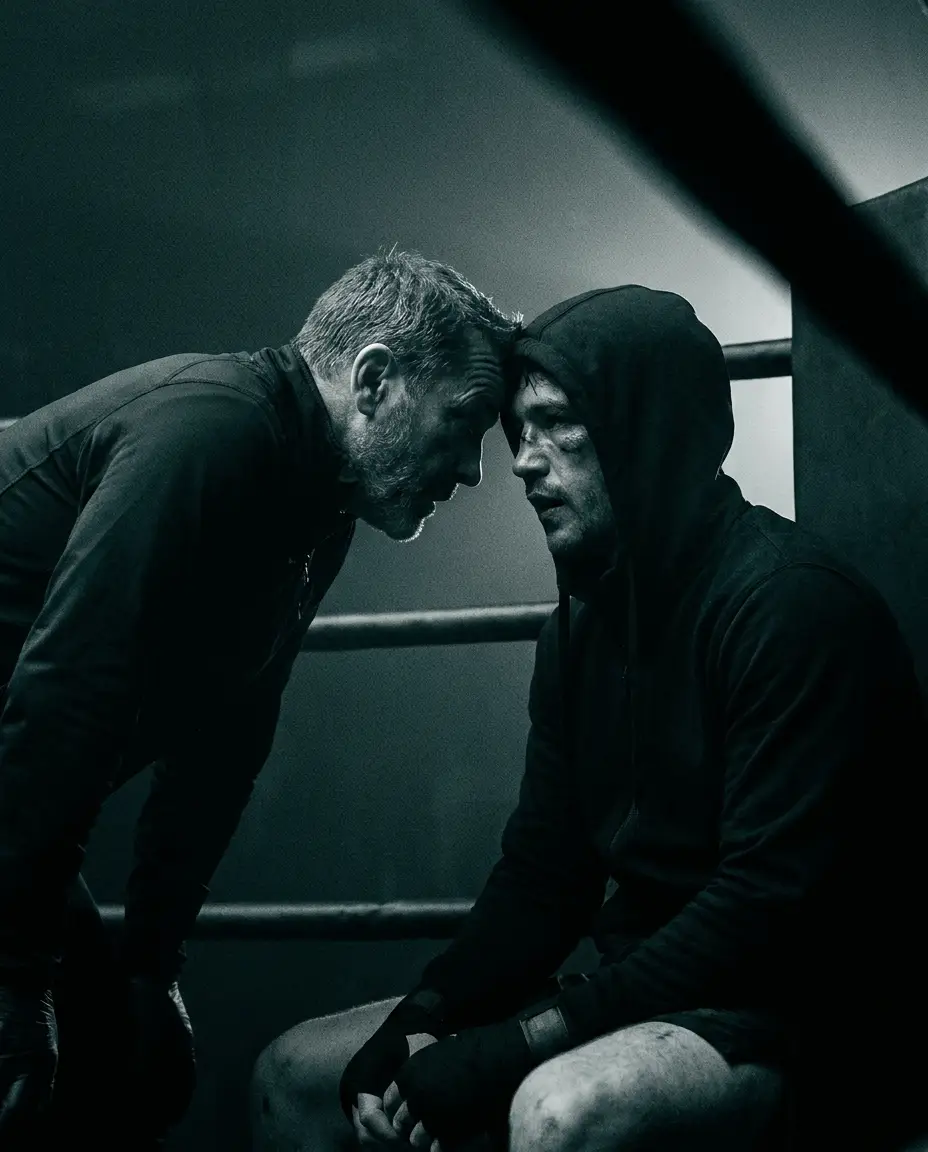
Amateur and pro boxing reward different things. Amateur boxing favors fast, high-volume scoring over short rounds with headgear and an emphasis on clean point-scoring. Pro boxing, over more and longer rounds without headgear, rewards power, pacing, body work and accumulating damage. Many decorated amateurs struggle to adapt because the busy, touch-scoring style that won medals doesn't carry the weight needed to win pro fights.
They share a ring and almost nothing else. The jump from amateur to pro has ended more "sure things" than any single opponent.
Two different games
Amateur boxing rewards speed and volume over short rounds: touch, score, move. Pro boxing, over longer distances without headgear, rewards power, pacing, body investment and the slow accumulation of damage.
A style built to tap-and-tally can look busy and accomplish nothing against a pro who sits down on his shots.
● The fight week, in your inbox
Results, the fights that matter next, and the science behind them.
Medals are won on points. Pro fights are won on damage and time.
The hard adaptation
The transition demands new pacing, more power, and patience the amateur game never required. Some adapt and thrive. Others spend years unlearning the exact habits that made them champions as amateurs — proof these are two sports wearing the same gloves.
Related systems
BoxingFinesse · Partner
The Vault: rare, by invitation.
Rare and vintage fight pieces, private auctions, limited drops and collections made with pro fighters. The key is free — members see everything first.
- Rare pieces
- Auctions
- Drops & merch
- Fighter collabs
- Tickets & events
- Tools & programs
800+ in the Finesse Club · 500+ vintage magazines